
Signs of a Hidden Water Leak (and How Plumbers Find Them)
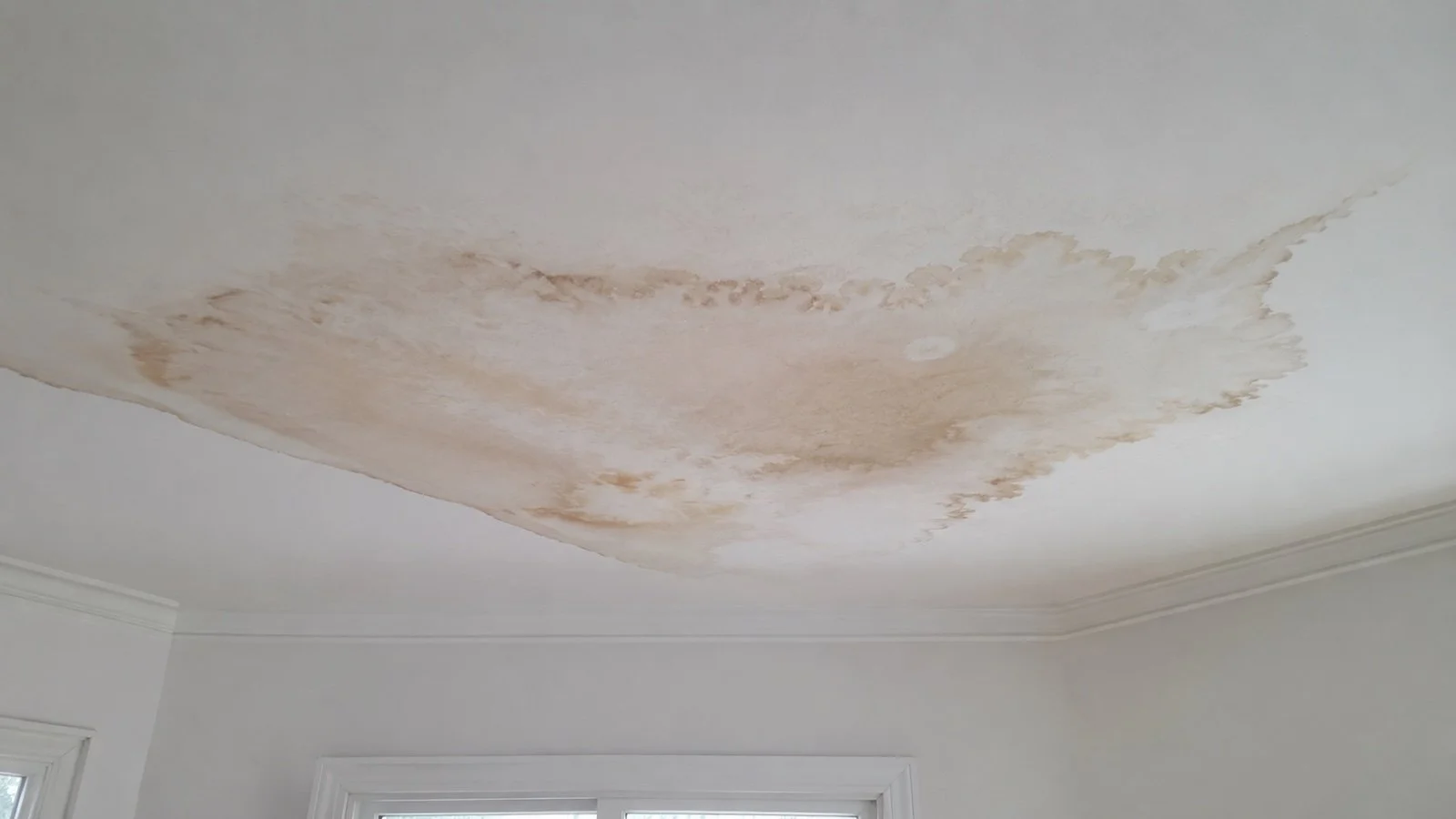
The worst leaks are the ones you cannot see. A pipe inside a wall or under a slab can drip for months, quietly running up your water bill and feeding mould and rot, before any stain shows up. By the time the evidence is obvious, the damage is done. The trick is knowing the early signs so you can catch a hidden leak while it is still small.
The warning signs of a hidden leak
Your home gives several hints before a leak becomes visible:
- A water bill that climbs for no reason. If your usage jumps without a change in habits, water is going somewhere it should not.
- The sound of running water when every tap is off.
- Damp, warm, or discoloured spots on walls, ceilings, or floors.
- A musty smell in a room or cupboard that will not clear, which often means moisture behind a surface.
- Mould or peeling paint in a spot that should stay dry.
- Low water pressure with no other cause, since water escaping upstream never reaches your taps.
The meter test you can do yourself
There is a simple check. Turn off every water fixture and appliance in the home, then look at your water meter. If it is still ticking over with everything off, water is moving somewhere, and that usually means a leak. It will not tell you where, but it confirms there is one to find.
Why hidden leaks are worth chasing
A small concealed leak rarely stays small. Constant moisture rots framing, ruins drywall and flooring, and grows mould that affects air quality. It also wastes water every minute it runs. Finding and fixing it early turns a major repair into a minor one, which is the whole point of catching the signs before the ceiling stains.
How a plumber finds the source
Tearing open walls to hunt for a leak is the old way and a destructive one. Modern leak detection locates the source first, then opens only what is needed. The common methods include:
- Acoustic listening equipment that hears water escaping inside walls and under floors.
- Thermal imaging that spots the temperature difference a leak creates behind a surface.
- Pressure testing that confirms whether a section of pipe is losing water.
- Moisture meters that map how far dampness has spread.
Pinpointing the leak before any cutting means a smaller repair and far less mess. Once the source is found, the fix is straightforward, whether it is a failed joint, a corroded pipe, or a fixture connection.
When a leak becomes urgent
A slow hidden leak is a problem to solve soon, not a crisis. A pipe that bursts or a connection that lets go is different and can flood a room fast. If water is actively pouring in, shut off the main and treat it as an emergency.
Frequently asked questions
How can I tell if I have a hidden water leak?
Watch for a rising water bill, the sound of running water with everything off, damp or discoloured spots, a musty smell, or unexplained low pressure. The meter test, checking whether the meter moves with all water off, is a reliable confirmation.
Can a plumber find a leak without breaking walls?
Yes. Leak detection uses acoustic equipment, thermal imaging, and pressure testing to locate the source first, so only the area that needs repair is opened rather than guessing and cutting.
How serious is a small hidden leak?
More serious than it looks. Even a slow leak rots framing, ruins finishes, and feeds mould over time, while wasting water the whole while. Finding it early keeps the repair small.
Does a hidden leak raise my water bill?
Yes, often noticeably. A steady unexplained increase in your water bill is one of the most common first signs of a concealed leak.
What should I do if I find water actively leaking?
Shut off the main water valve to stop the flow, then call for help. A pipe actively flooding a room is urgent, unlike a slow hidden leak which can be scheduled.
Suspect a leak you cannot see? MBM Plumbing locates the source with the right equipment before opening anything, so the repair stays small. You get the findings and the price before any work begins. Serving Markham and the surrounding area.
Request a quote