
How to Prevent Clogged Drains in Your Home
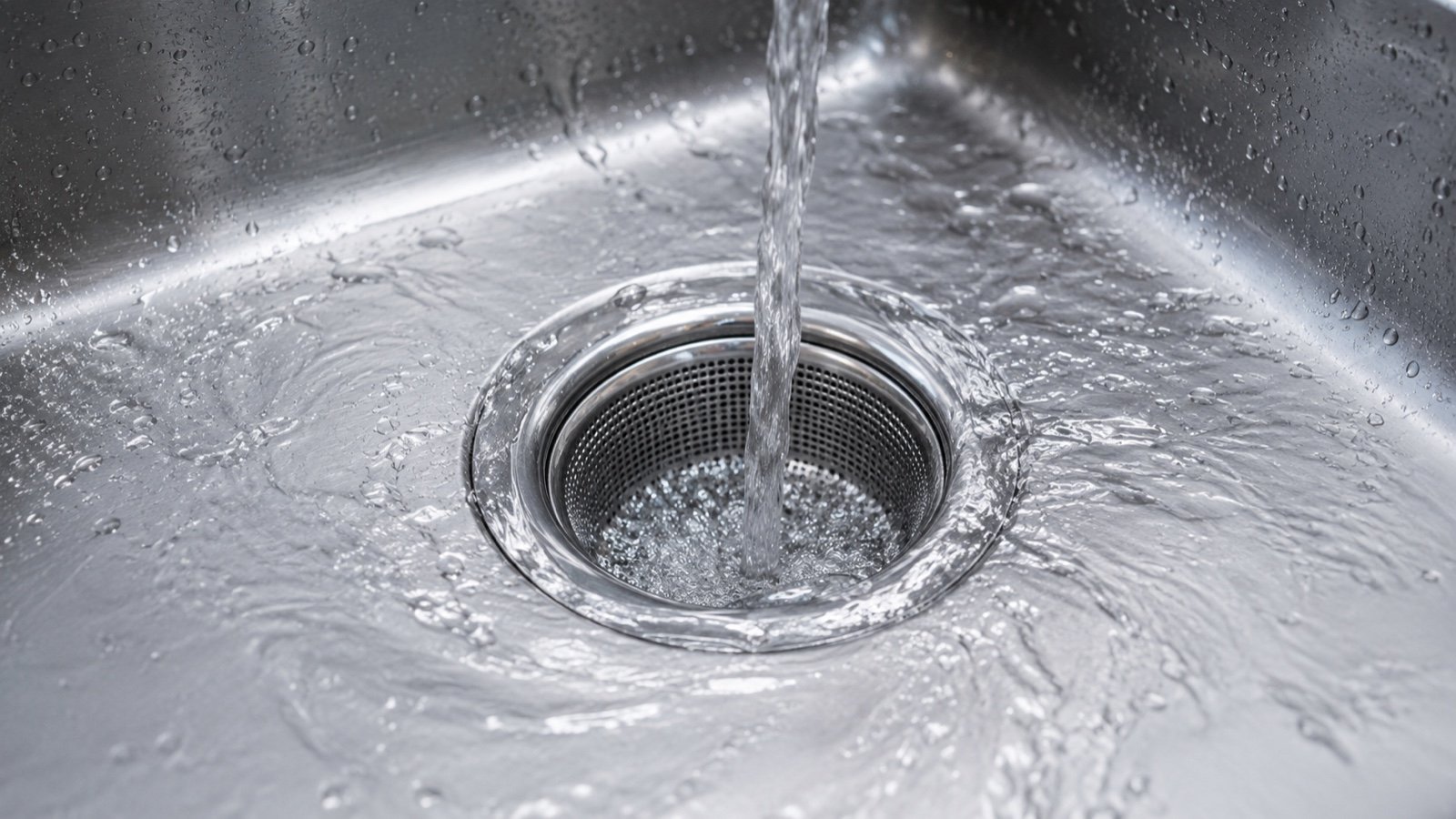
Most of the drain clogs a plumber gets called for were avoidable. They build up slowly from the same handful of habits, and they are far easier to prevent than to clear once a pipe is fully blocked. A little attention in the kitchen and bathroom keeps your drains flowing and saves you the call. Here is what works.
Protect the kitchen drain
The kitchen sink takes the most abuse, and grease is the main culprit. Warm grease pours like a liquid and then cools and hardens inside the pipe, catching food scraps until the line chokes. Keep it out of the drain:
- Pour cooking grease and oil into a container and throw it in the trash, never down the sink.
- Wipe greasy pans with a paper towel before washing.
- Use a sink strainer to catch food scraps and empty it into the bin.
- Run hot water for a few seconds after washing up to help anything fatty move along.
If you have a garburator, it helps but it is not a licence to send everything down. Fibrous scraps, coffee grounds, and starchy peels still cause trouble.
Protect the bathroom drains
Bathrooms clog from hair and soap more than anything else. The two build a dense mat that catches everything after it.
- Put a hair catcher over the shower and tub drains and clear it regularly.
- Keep hair out of the sink when grooming.
- Switch to a soap that leaves less residue if buildup is a recurring problem.
Only three things belong in a toilet
Human waste, water, and toilet paper. That is the whole list. So called flushable wipes are the biggest cause of avoidable toilet and main line clogs, because they do not break down the way toilet paper does. Keep wipes, cotton products, dental floss, and paper towel out of the toilet entirely.
Habits that keep the whole system healthy
A few routines protect every drain in the house:
- Flush drains with hot water now and then to move soap and grease residue along.
- Avoid chemical drain cleaners as a routine fix. They can damage pipes over time and often only punch a hole through a clog rather than clearing it.
- If a drain is slowing across the whole house, do not wait. A slow main line is easier to clear early. A professional drain cleaning resets it properly.
When prevention is not enough
Sometimes a drain keeps slowing no matter how careful you are. That can mean buildup deep in the line, or it can mean the pipe itself is damaged. If a drain backs up again soon after clearing, the issue may be the pipe rather than a clog, which is the subject of our blog on drain repair versus cleaning. In that case drain repair is the real fix. A camera inspection tells you which one you are dealing with.
Frequently asked questions
What is the most common cause of clogged drains?
In kitchens it is grease combined with food scraps. In bathrooms it is hair bound with soap. In toilets and main lines it is wipes and items that should never be flushed. Most clogs trace back to one of these.
Are chemical drain cleaners safe to use?
As an occasional last resort maybe, but as a routine fix they are a poor idea. They can corrode pipes over time and often only clear a narrow channel rather than the whole blockage. Mechanical cleaning is safer and more thorough.
Is it bad to flush flushable wipes?
Yes. Despite the name, they do not break down like toilet paper and are a leading cause of toilet and main line clogs. Keep them out of the toilet entirely.
How often should drains be cleaned?
For most homes, only when you notice slowing. Homes with heavy use, old pipes, or a history of clogs benefit from a periodic professional cleaning before problems build up.
Why does my drain clog again right after I clear it?
Fast repeat clogs often mean buildup deeper in the line or a damaged pipe rather than a simple surface clog. A camera inspection shows whether the pipe needs a thorough cleaning or a repair.
Drain slowing down despite your best efforts? MBM Plumbing clears it properly and checks whether the pipe needs more than a cleaning, with the price quoted before any work begins. Serving Markham and the surrounding area.
Request a quote