
Do You Need a Backwater Valve? Basement Backup Protection
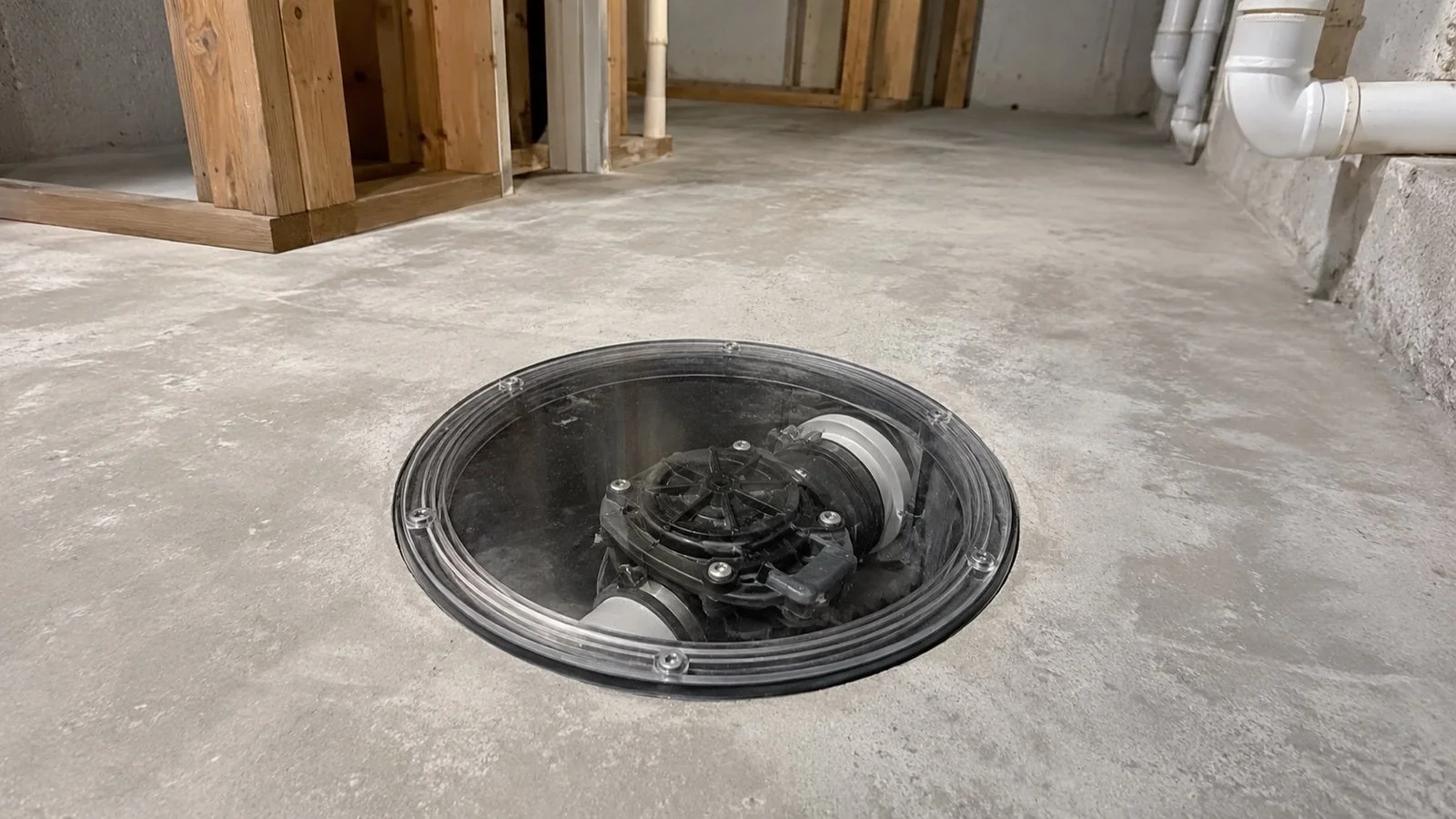
Of all the ways a basement floods, a sewer backup is the worst. It is not clean rainwater, it is sewage pushed back up through your floor drains, and the cleanup is miserable. A backwater valve is the device built to stop it. The question for most homeowners is simple: do you actually need one, and is it worth the cost? Here is how to decide.
What a backwater valve actually does
A backwater valve sits in your main drain line, usually in the basement floor. Water and waste flow out of your home normally. When the city sewer surcharges during a heavy storm and tries to push water back toward your house, a flap inside the valve closes and blocks it. Once the pressure drops, the flap reopens and normal drainage resumes. It is a one way gate for your sewer line.
It is worth being clear on what it does not do. A backwater valve protects against sewer backups coming from the municipal side. It does not stop groundwater seeping in through walls or a high water table, which is the job of a sump pump. Many homes benefit from both, because they guard against different threats.
Signs your home may need one
You are a strong candidate for a backwater valve if any of these apply:
- Your basement has flooded with sewage before, even once.
- You have floor drains, a basement bathroom, or a finished basement worth protecting.
- Your home sits low relative to the street or in an area known for storm backups.
- Your municipality has had sewer surcharge problems during heavy rain.
If your basement is finished or you are planning to finish it, the math gets easy fast. The valve costs far less than the cleanup and lost belongings from a single backup.
Backwater valve or backflow preventer?
These names get confused. A backwater valve protects your drain line from sewage backups. A backflow preventer protects your drinking water supply from contamination. They solve different problems on different pipes. We cover the difference in detail in our blog on backwater valve vs backflow preventer.
What installation involves
Installing a backwater valve means cutting into the basement floor to reach the main drain line, fitting the valve, and restoring the floor with an accessible inspection cover so it can be cleaned and checked. In an existing finished basement the access work is the larger part of the job. In a new build or a renovation it is far simpler to do while the floor is already open, which is one reason it is smart to plan during renovation plumbing.
Many municipalities run a subsidy or rebate program that helps cover backwater valve installation for flood protection. These programs vary by city and change over time, so it is worth checking your municipality's current program before you book. (Verify the current program and any permit requirement with your municipality.)
Keeping it working
A backwater valve is low maintenance but not no maintenance. The flap and seat need an occasional clean so debris does not hold the gate open, which is why the inspection cover matters. A quick check once or twice a year, and after any major storm, keeps it ready for the day it counts.
Frequently asked questions
Do I really need a backwater valve?
If your basement is finished, sits low relative to the street, or has flooded with sewage before, a backwater valve is strong protection for the cost. Homes with none of those risks may not need one, which is why it is worth having your drain line and risk assessed first.
What is the difference between a backwater valve and a sump pump?
A backwater valve blocks sewage backing up from the city sewer. A sump pump removes groundwater collecting around your foundation. They protect against different sources of basement water, and many homes use both.
Can a backwater valve be added to an existing home?
Yes. It involves cutting into the basement floor to reach the main drain line and fitting the valve with an accessible cover. It is more work in a finished basement than during a renovation, but it is a standard retrofit.
Is there a rebate for installing a backwater valve?
Many municipalities offer a subsidy or rebate toward flood protection devices, but the programs and amounts vary by city and change over time. Check your municipality's current program before booking.
Does a backwater valve need maintenance?
A little. The flap and seat should be checked and cleaned occasionally and after major storms so debris does not hold the gate open. The inspection cover makes that easy.
Want to protect your basement from sewer backups? MBM Plumbing assesses your drain line, tells you whether a backwater valve makes sense for your home, and quotes the work before any cutting begins. Serving Markham and the surrounding area.
Request a quote